
When did everything become text based again?
AI is bringing back web 1.0

Something funny is happening with AI tools. They’re powerful. They’re exciting. They’re changing how we work. But at the same time, they’ve quietly pushed us back into a world where everything is text-based.
Most tools feels like, you write a prompt. Then you read the response. Usually it’s a long block of text. If it’s not quite right, you write another prompt. Then you read another response.
Prompt.
Read.
Prompt again.
Read again.
It’s a loop built almost entirely around reading and writing.
For some people, that’s fine. But for many neurodivergent people, it’s exhausting.
People with dyslexia, ADHD, and other cognitive differences often process information better through visuals, diagrams, examples, interaction, or conversation rather than dense paragraphs. Long blocks of text can be slow to process, hard to scan, and mentally draining.
Yet most AI tools today look the same: a chat box and a wall of words.
It’s interesting when you think about the broader history of the internet. Early digital products were all text, then we moved to multimedia, pictures, videos, and interactive games.
Social media platforms have followed the same trend. We started with something like LiveJournal, a text-based blogging platform, which was quickly replaced by MySpace, a fully customizable social profile (still largely text-based), which got replaced by Tumblr, a blog that was mostly images.
The evolution from Twitter to TikTok did the same thing. Twitter started with short text posts, then Instagram hit with images and photo grids, and then TikTok exploded with short-form video. Instagram and TikTok exploded because it matched how many people naturally learn and consume information: visually, quickly, and interactively.
Somewhere along the way, we learned that not everyone wants to read everything.
But AI interfaces seem to have forgotten that lesson. Instead of visual explanations, we get paragraphs. Instead of diagrams, we get bullet lists. Instead of showing something, they tell us.
In other words: the interface assumes that reading is the easiest path to getting what you need
For me personally, that assumption is difficult. I’m dyslexic. Reading has always taken more effort than it does for many people. I can absolutely do it but it requires focus, time, and a lot of energy. When learning a new tool, I tend to understand things faster when I can see them, manipulate them, or watch them happen.
For instance as a young designer learning photoshop, I watched youtube videos. When I have a cooking question I go to tiktok. This is my way of doing and it’s enhanced my learning 10x.
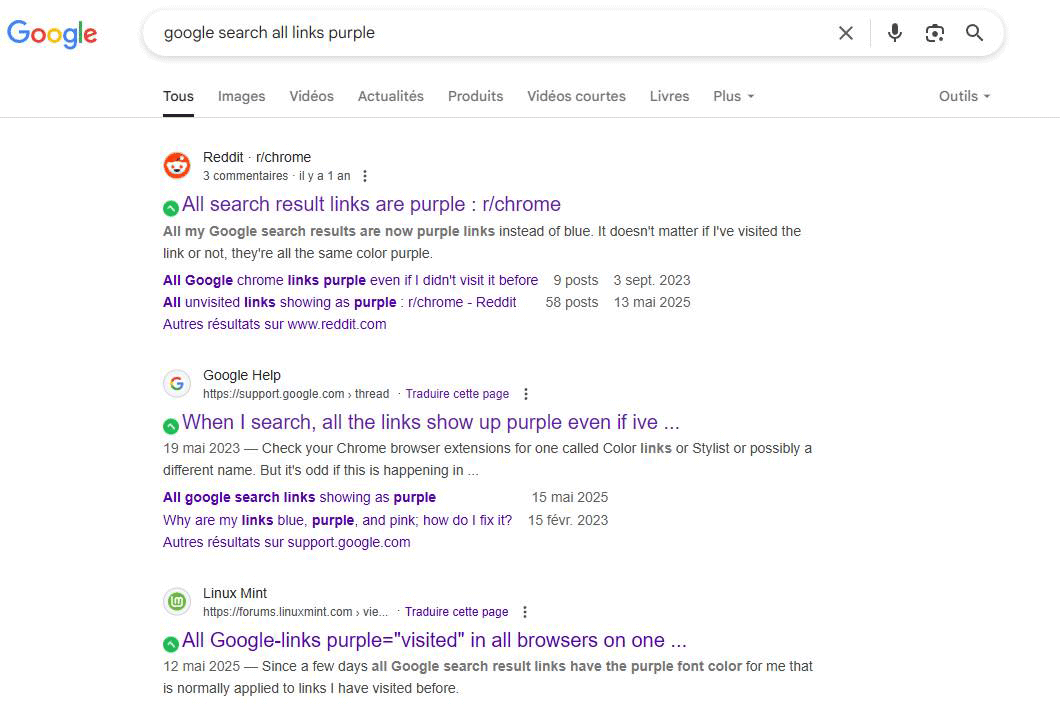
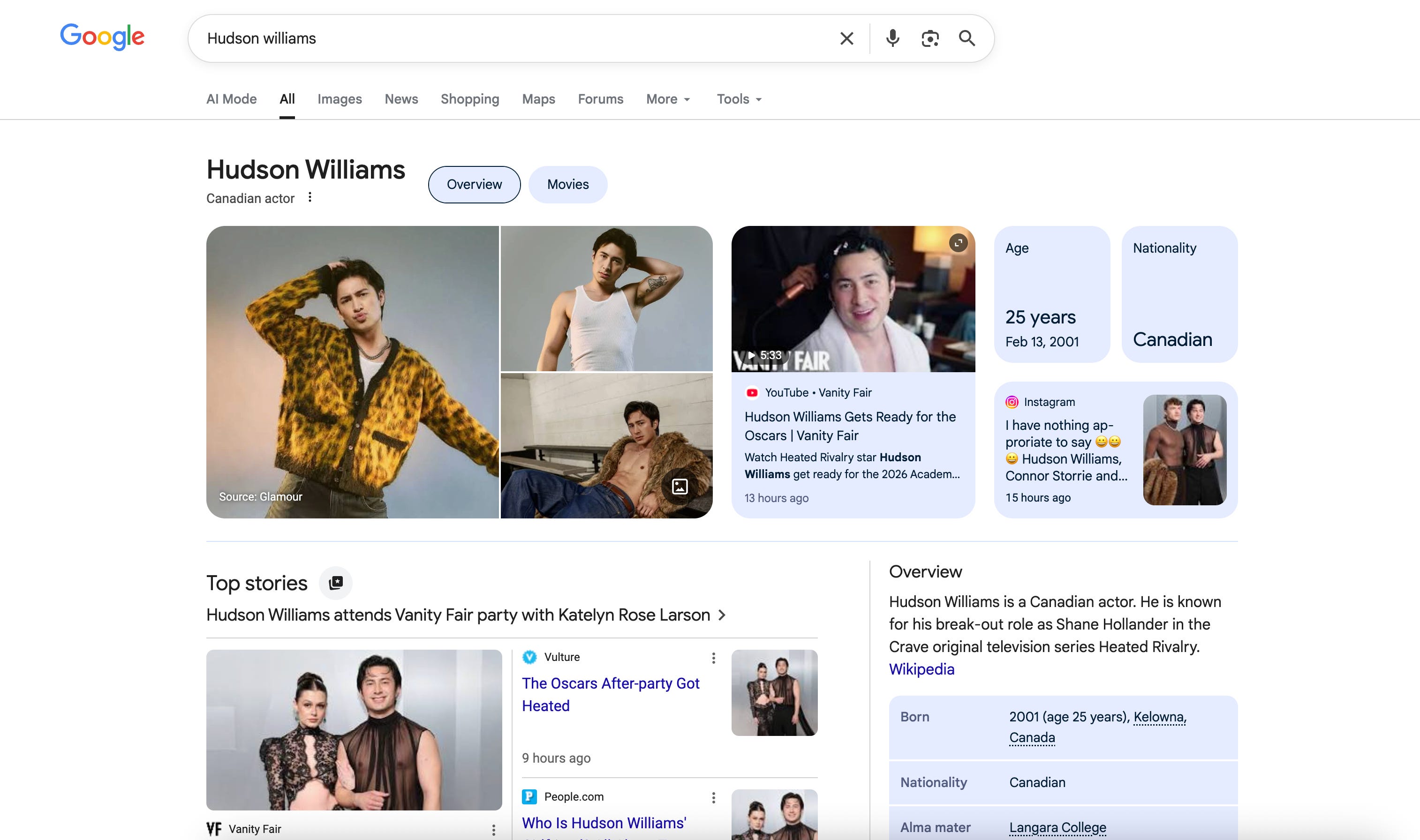
Google has taken this challenge on in the past few years. Google search use to be just text links now is a rich dashboard of media and results helping me process information quickly. While this is far from perfect it starts to introduce media, summaries and large numbers that help me process information quickly.
But most AI tools today ask me to do the opposite: read instructions, dissect explanations, struggle through walls of generated text, and write increasingly precise prompts. The pressure to learn these tools is real. AI isn’t optional anymore. It’s quickly becoming part of staying competitive in many fields, especially in technology and design.
The technology that promises to help us think better is delivered through an interface that assumes one particular way of thinking and learning. Of course, text is powerful. For every TikTok, there will still be a Reddit. It’s flexible and expressive. But just like texting, it’s easy to interpret text in a way that wasn’t intended.
What would AI look like if it embraced different cognitive styles? I know that many companies offer voice assistants instead of chat, but even those are still missing the visual and tactile aspects of learning.
Maybe prompts could be sketched instead of written.
Maybe responses could include diagrams, flows, or visual summaries by default (which I have started to see).
Maybe interacting could be two way street more like a conversation, with pushback, asides, tangents and more.
AI is supposed to adapt to humans. But right now, it often feels like humans are the ones adapting to AI—by reading more than ever. And for a technology that’s supposed to make knowledge more accessible, that feels like a step backward.
In the future, I hope I can use AI like I use Figma or Procreate by manipulating objects and sketching. I hope I can watch and listen to a topic in a way that I choose, like a song, audiobook, or podcast. I hope I can play with AI like a game, learning through doing activities.
I know some of this is possible today, but it all feels disjointed—many tools, many prompts, many asks. I’m ready for AI to meet me, like the internet has, where I am, The way i like to learn, and get my work done which is rarely through text based interfaces.